
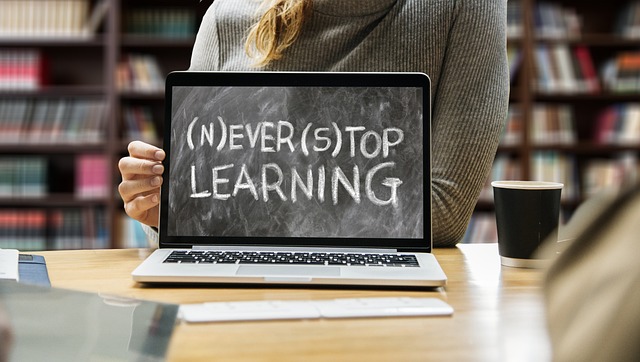
We tend to think of learning as something that just happens – like a switch that gets turned on in the brain and allows us to perform a new skill or understand a new concept. But learning is a complex process with many challenges and hurdles, as well as joys and accomplishments. A student, particularly at a young age, may not be able to overcome these hurdles without support and guidance. In short, we need to learn how to learn.
Our attitude to learning matters
For many young people, school can be boring, frustrating, difficult or confusing. From primary school on, we ask our children to learn a range of subjects that are important, to sit through lessons, do activities decided by teachers, and to sit a range of tests regularly.
There are so many things to know.
Our attitude to these challenges makes a big difference in how successful we are in the short term, but that’s not all.
From the beginning, as young children learn to read and to count, they are learning how to process and manipulate complex information. They are learning to perceive themselves as good or bad learners, and as school as good or bad. These perceptions, once established, are difficult to disrupt. A young person who has a firm idea of themselves as dumb or school as awful finds it much harder to overcome challenges because they are already predisposed to accept failure, or not even try.
Intelligence vs learning skills
Intelligence, as measured by an IQ test, helps learning many different subjects, and it definitely eases the path for many students. But it’s important to distinguish between innate aptitude and learning skills. Whatever your child’s innate talents, their attitude and ability to learn new concepts and skills underpins educational success.
This makes the neural plasticity of childhood a vital opportunity to influence your child’s learning for the rest of their life. Researchers mostly agree that there are significant environmental factors in a child’s ability to develop reasoning, thinking, and adapting skills. This means that your example and encouragement as a parent is key to your child’s ability to develop a growth mindset, not a fixed mindset.
Growing together
None of us know everything there is to know. We are all learners, and life often throws us opportunities to learn new concepts and skills. This allows us to demonstrate to our children that learning, while sometimes difficult, is possible, interesting, and leads to living a better life.
Encourage curiosity and self-efficacy through questions and discussion, give space to your child to try ways to overcome challenges, discuss what works and what doesn’t work, relate abstract school topics or tasks to real life. Above all, find the joy in learning. Extrinsic motivations such as rewards and punishments help guide a child to overcome boredom and procrastination. But a child’s intrinsic interest in learning is a lifelong gift.

Leave a Reply